WhatsApp

When a mechanic tells you, “it’s the engine,” the situation immediately becomes serious.
This isn’t a minor fix or routine maintenance issue. Engine failure is one of the most expensive problems a vehicle owner can face, and it often forces a difficult financial decision:
Do you repair the car… or is it time to sell it as-is?
If you're currently dealing with a car that won’t start, overheats, or has suffered major internal damage, this guide will help you understand your options and when it makes more sense to sell a car with engine problems instead of repairing it.
Why Engine Failure Is a Financial Turning Point
Not all car problems are equal. A flat battery or worn brake pads are manageable. Engine failure is different.
In most cases, it points to serious internal damage, such as:
- Seized engine
- Blown head gasket
- Cracked engine block
- Severe overheating damage
- Timing belt or chain failure
These are not quick fixes; they are major repairs that often cost tens of thousands of rands.
For many vehicle owners, especially those who rely on their cars for business or daily operations, this creates immediate pressure to make the right call.
The Real Cost of Repairing an Engine
At first glance, repairing your car may seem like the obvious choice. But engine repairs come with hidden risks and costs that are often underestimated.
1. High Upfront Costs
Engine rebuilds or replacements can cost anywhere from R20,000 to R80,000+, depending on the vehicle.
That’s before considering:
- Labour costs
- Replacement parts availability
- Diagnostic time
2. No Guarantee of Long-Term Reliability
Even after spending a significant amount, there’s no certainty that the car will perform reliably.
Other components, such as the gearbox, cooling system, and electronics, may already be worn or damaged, especially if the engine failure was caused by overheating or neglect.
3. Downtime and Disruption
If you’re a business owner or rely on your vehicle for work, time off the road means:
- Lost income
- Operational delays
- Additional transport costs
4. Diminishing Returns
Spending heavily on repairs doesn’t always increase your car’s value proportionally. In many cases, you may not recover the repair cost if you decide to sell later.
When Does Repairing Stop Making Financial Sense?
There’s a point where repairing your vehicle becomes more of a liability than a solution.
Here are some clear indicators:
Your Repair Costs Exceed the Car’s Value
If the cost of fixing the engine is close to, or more than, the car’s current market value, repairing it may not be financially viable.
The Car Has High Mileage or Multiple Issues
Engine failure in an older, high-mileage vehicle often signals broader wear and tear. Fixing one problem doesn’t eliminate the risk of another.
You Need a Quick, Reliable Solution
If your vehicle is essential for your work or daily life, waiting days or weeks for repairs may not be practical.
The Car No Longer Starts
If you’re dealing with a situation where you need to sell a car that doesn’t start, you’re already beyond minor repair territory and into major decision-making.
The Alternative: Sell Your Car As-Is
What many people don’t realise is that repairing the vehicle is not your only option.
You can sell a non-running car, even with severe engine damage.
This approach allows you to:
- Avoid high repair costs
- Get immediate value from the vehicle
- Move on without ongoing financial risk
For many Gauteng drivers, this becomes the more practical and less stressful route.
Who Buys Cars With Engine Problems?
Traditional buyers, like private individuals or dealerships, are usually not interested in vehicles with major mechanical issues.
This is where specialised buyers come in.
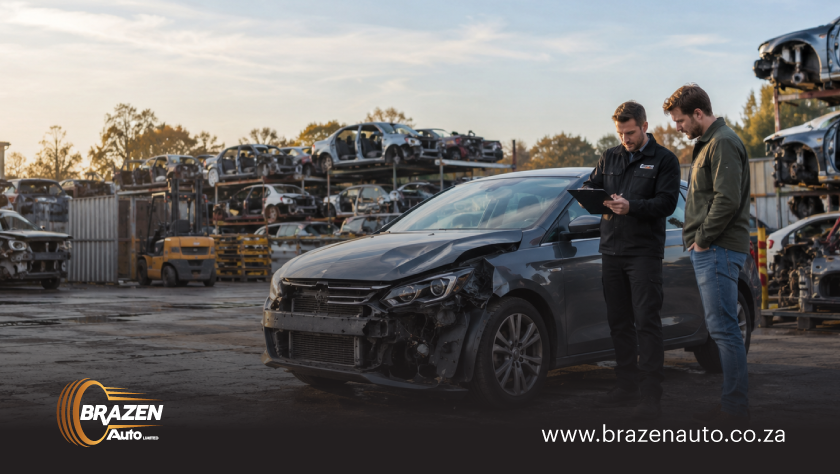
Companies like Brazen Auto focus specifically on purchasing:
- Non-running vehicles
- Accident-damaged cars
- Cars with engine failure
- Vehicles that won’t start
Their process is designed to remove the usual obstacles associated with selling a damaged vehicle.
How the Process Works
If you’re looking to sell a car with engine problems, the process is typically straightforward:
1. Request an Evaluation
Provide basic details about your vehicle and its condition.
2. Receive an Offer
The offer is based on the car’s current state; there is no need to repair it first.
3. Collection and Payment
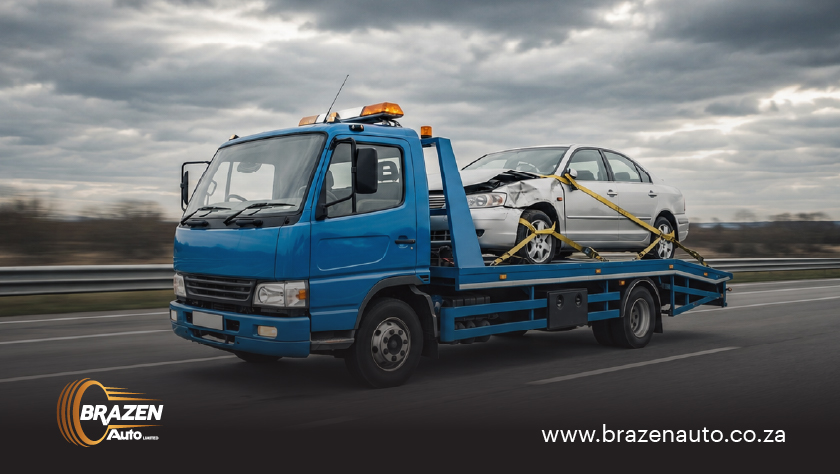
If you accept, the vehicle is collected (often with free towing), and payment is processed quickly.
This eliminates the need for:
- Advertising the car
- Dealing with multiple buyers
- Negotiating under pressure
- Arranging transport
Repair vs Sell: A Practical Perspective
When faced with engine failure, the decision is less about fixing a car and more about managing risk.
Repairing may make sense if:
- The car is relatively new
- The repair cost is reasonable
- You plan to keep the vehicle long-term
Selling as-is may be the better option if:
- Repair costs are high
- The car has multiple issues
- You need a fast, reliable solution
- The vehicle no longer starts
In these situations, choosing to sell a non-running car can often be the more financially sound decision.
Conclusion: Know When to Move On
Engine failure is one of the clearest signals that your vehicle has reached a critical decision point.
While repairing may seem like the default option, it’s not always the smartest one, especially when costs, risks, and time are factored in.
If your car has major engine issues, won’t start, or is no longer worth repairing, selling your car with engine problems can save you time, money, and unnecessary stress.
Brazen Auto specialises in buying vehicles exactly in this condition, offering a simple, transparent process with no obligation.
Get a Free Vehicle Evaluation
If you’re unsure what your car is worth in its current condition, the next step is simple:
Request a free, no-obligation evaluation and find out what your vehicle is worth today, without needing to repair it first.
This is the easiest way to move forward.